


MJ & Jaw Myofascial Release for Jaw Pain & Clenching.
Gentle external and intra-oral myofascial work for jaw pain, clenching, grinding and facial tension, working with the jaw as part of the wider body and nervous system.

TMJ & Jaw Myofascial Release is gentle bodywork for tension around the jaw, face, head and neck. It can include external and optional intra-oral techniques, while recognising that jaw pain may involve the muscles, joint, nervous-system sensitivity and wider patterns of bracing rather than one isolated structure.

we begin with your symptoms and relevant history
external work starts gently around the jaw and face
intra-oral work can be included with your consent
treatment follows your response rather than forcing release
whole-body MFR may be included where useful
self-management or regulation practices may also be offered

This work may be supportive if you experience:
jaw pain, aching or tenderness
clenching or teeth grinding
difficulty relaxing or comfortably opening the jaw
facial, temple or tension-headache symptoms
neck and shoulder tension alongside jaw symptoms
stress-related or habitual jaw holding
a jaw that feels persistently tense, braced or unable to fully relax

Treatment may support:
reduced jaw and facial pain or tension
greater ease in jaw movement
less neck and shoulder holding
a softer, more relaxed resting jaw
deeper relaxation and nervous-system settling
recognising clenching earlier and having more choice in how you respond



-
Focused TMJ & Jaw work can be booked individually, with whole-body MFR incorporated where appropriate.
Session length and pricing to be confirmed
Based in Putney, South West London.
Register your interest
-
Long-standing clenching, persistent TMD symptoms or wider holding patterns may benefit from more continuity. After your first treatment, we can review whether further focused TMJ work, whole-body MFR or a combination would be most useful.
-
Persistent jaw pain is not always simply a structural problem.
The joint and muscles may matter, but so can habitual clenching, previous injury or dental procedures, sleep, stress and nervous-system sensitivity. Sometimes several things are involved at once.
Pain is real, but it does not necessarily mean that something in the jaw is currently injured or damaged. In persistent pain, the protective alarm itself can sometimes become more sensitive.
This is why I use a gentle, responsive approach rather than assuming a painful jaw simply needs more pressure.
Sometimes the jaw is not simply tight. It has become very practised at holding.
-
Some muscles involved in jaw tension are more directly accessible from inside the mouth, so treatment may include gentle intra-oral work using gloves alongside external work through the jaw, face, head, neck and shoulders.
Intra-oral work is always optional.
You can choose external treatment only. If we do include intra-oral work, I will explain what I am proposing first, and you can pause, change your mind or stop at any point.
The face and mouth are highly sensory and can feel particularly intimate, so the quality, pace and amount of touch matter.
-
Clenching can become automatic. It may happen while working, concentrating, driving, sleeping, under stress or without you consciously knowing you are doing it.
Sometimes the jaw also becomes part of a wider protective pattern: staying ready, bracing under pressure or holding yourself together.
This does not mean every person who clenches has unresolved trauma. It means the jaw can become one place where the body repeatedly expresses stress, effort or protection.
Part of the work is learning to recognise the pattern earlier. We can slow down, begin externally, use broader bodywork or change direction according to what feels supportive that day.
My trauma-informed approach shapes the pace and amount of input throughout. Consent remains active.
If greater awareness of your clenching begins to reveal a wider pattern around stress, pressure or how your body responds in particular situations, Embodiment Coaching can offer more space to explore that consciously.
-
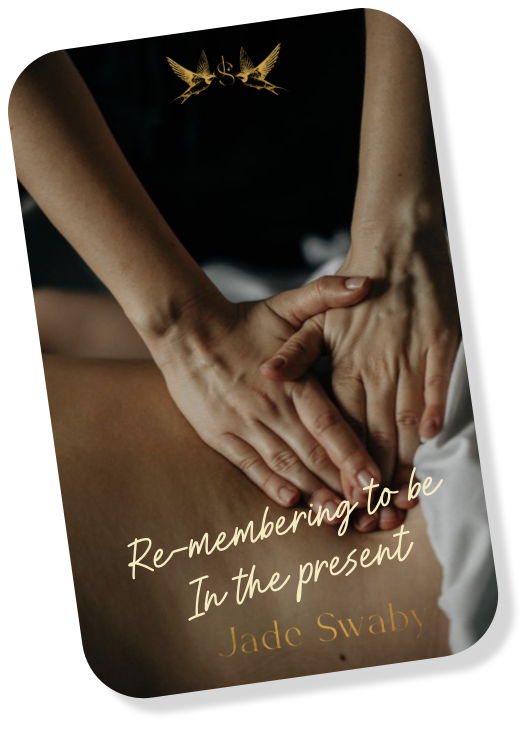
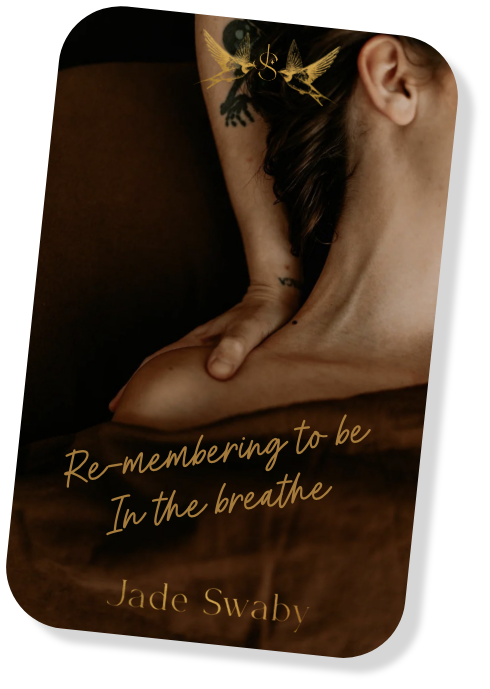
A focused TMJ & Jaw session works more directly with the face, mouth, jaw and surrounding structures.
If the jaw is part of a wider pattern of tension or bracing through the neck, shoulders or body, whole-body Myofascial Release may also be useful. Sometimes the jaw is the main doorway. Sometimes it is only one part of the picture.
Explore Myofascial Release
-
Hands-on treatment is one part of the work.
I may also share gentle self-treatment, jaw-resting awareness or simple regulation practices so that you can recognise clenching earlier and have ways of responding between sessions.
The aim is not simply to keep releasing the jaw once tension has built up. It is to help you understand your own pattern, notice it sooner and have more choice about what happens next.



Re-membering is the process of reassembling those disconnected parts, body and self, into something whole again.
Want to explore further?
Visit Writing & Resources for longer pieces on jaw tension, TMD, clenching, nervous-system sensitivity, self-management and the relationship between focused jaw work and whole-body MFR.
Register your interest




Lorem ipsum dolor sit amet, consectetur adipiscing elit. Vestibulum id ligula porta felis euismod semper.